
The Cost of Putting This Off Through One More Storm Season
Skip this conversation for another season and here's what it can cost you: a power outage hits mid-afternoon, the kind that rolls through with an August or September squall line, and your garage door won't budge. Your car is trapped inside, or worse, trapped outside while rain comes sideways. If someone in the house has a medical appointment, mobility limits, or just needs to get the car under cover before hail-sized rain starts pounding a windshield, a dead opener isn't a minor inconvenience. It's the argument that starts with "I told you we needed the battery backup" and ends with someone standing in the rain pulling the emergency release cord by hand.
Here's the plain-language version of how this works, so you can settle it once and for all.
How Battery Backup Actually Works
A battery backup system is a rechargeable battery pack, usually built into the opener's motor head or attached as a separate unit, that kicks in automatically the instant your home loses power. It doesn't run your whole house. It doesn't power the lights or the refrigerator. It powers one thing: your garage door opener, so it can still open and close on command.
When the battery takes over, you'll usually notice two things. First, a light or beep on the opener telling you it's running on backup power. Second, the door moves slower than usual, because the opener is conserving battery life instead of running at full motor speed. That's normal, not a malfunction.
When It's Actually Necessary (and When It's Optional)
Battery backup isn't universally required by law everywhere, so this is less about a rulebook and more about risk. A few situations make it genuinely necessary rather than a nice-to-have:
- Your garage door is the main or only way to get a vehicle in or out. If there's no second driveway access or gate, losing opener power during a storm means you're stuck, period.
- Someone in the home has mobility limitations. Manually lifting a heavy sectional door, especially a wind-rated one, is not something everyone can safely do.
- You store anything in the garage that needs to stay dry or protected, like generators, tools, or a second vehicle, and you can't afford the door sitting open or jammed during a squall.
If none of that applies and you have an easy manual override plus a short driveway buffer, battery backup is more of a convenience upgrade than a must-have. Many openers sold in the last several years by major manufacturers now include it as standard equipment anyway, not because of a specific mandate, but because outages have become common enough that it's expected.
What Battery Backup Won't Do
It's worth being honest about the limits, because this is usually where the argument really is:
- It's not unlimited. Most battery backups are rated for a set number of open-close cycles, often somewhere in the range of 10 to 20, before the battery needs recharging. If the power is out for two days, you can't cycle the door forty times.
- Heat and humidity shorten battery life. A garage that regularly hits high temperatures in summer afternoons puts real stress on standby batteries. They degrade faster than they would in a cool, dry climate.
- Salt air causes corrosion on terminals and wiring. Homes closer to the water deal with this more than inland properties. A battery backup unit that looks fine can have corroded contacts that quietly stop it from charging.
- It won't fix an opener that's already failing for other reasons, like worn gears or a dying main circuit board. Backup power only helps if the opener itself is healthy.
The 10-Minute Test That Settles the Argument
Instead of debating it, test it tonight:
- Close the garage door using the wall button or remote, confirming it operates normally first.
- Shut off the breaker that powers the garage door opener circuit (not the whole panel, just that circuit).
- Try opening the door with the remote or keypad. If you have battery backup and it's working, the door should still open, just slower than usual.
- If nothing happens, check whether your opener actually has a backup battery installed, or if the battery is old enough that it no longer holds a charge.
- While you're in there, look at the battery terminals for white or greenish corrosion, a common issue in coastal, humid garages.
- Turn the breaker back on and confirm the opener returns to normal operation.
If the door didn't move on battery power, you either don't have a backup installed, or the one you have needs replacing.
When to Call Indian Harbour Beach Garage Door Pro
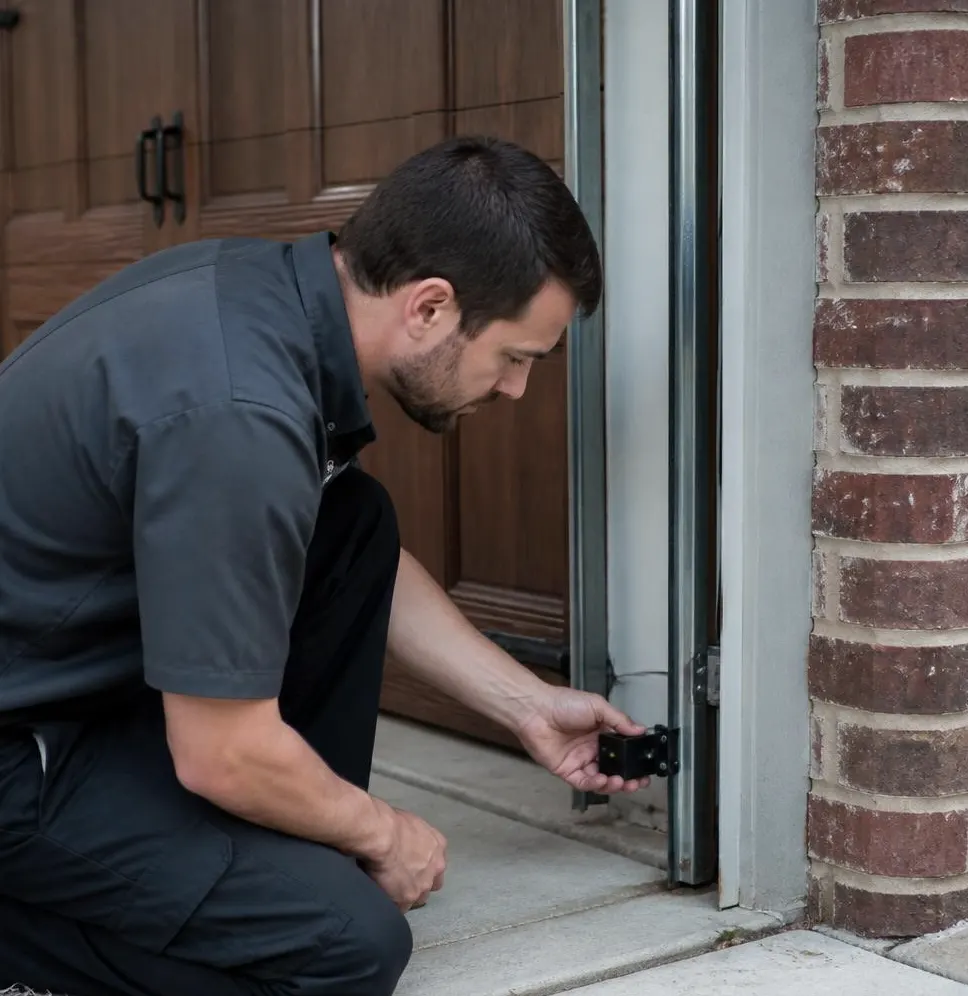
If your test came up empty, the battery is corroded, or you're not sure your opener even has backup capability, that's exactly what we handle. As part of a Garage Door Opener Installation, we can fit a unit with reliable battery backup built in, sized for your door's weight and wind-rated construction. If you already have an opener you like, our Garage Door Tune-Up and Maintenance service includes checking the backup battery, inspecting for salt-air corrosion on wiring and terminals, and confirming the unit actually engages when power drops, not just that it's plugged in.
If you're in Indian Harbour Beach, Satellite Beach, Melbourne, or anywhere else along this stretch of Brevard County and want to know for certain your garage door will still open when the power doesn't cooperate, give Indian Harbour Beach Garage Door Pro a call. We'll test it, fix it, or install it right, before the next outage makes the decision for you.